
backtotop

Welcome to the S.H.I.N.E. Lab

Structure-driven Human-centric Innovation: Nanopore Engineering

Principal Investigator: Kunyu Wang

Research Projects

Overview

  • Our research lies at the interface of synthetic chemistry, materials science, and nanomechanics. Guided by crystal structures and grounded in more than a decade of synthetic expertise in porous materials, we precisely engineer interactions within nanoscale pores to control the transport of energy and matter. By doing so, we aim to develop porous materials for enzyme-inspired catalysis, pollutant remediation, and critical mineral recovery.
Read More


research1

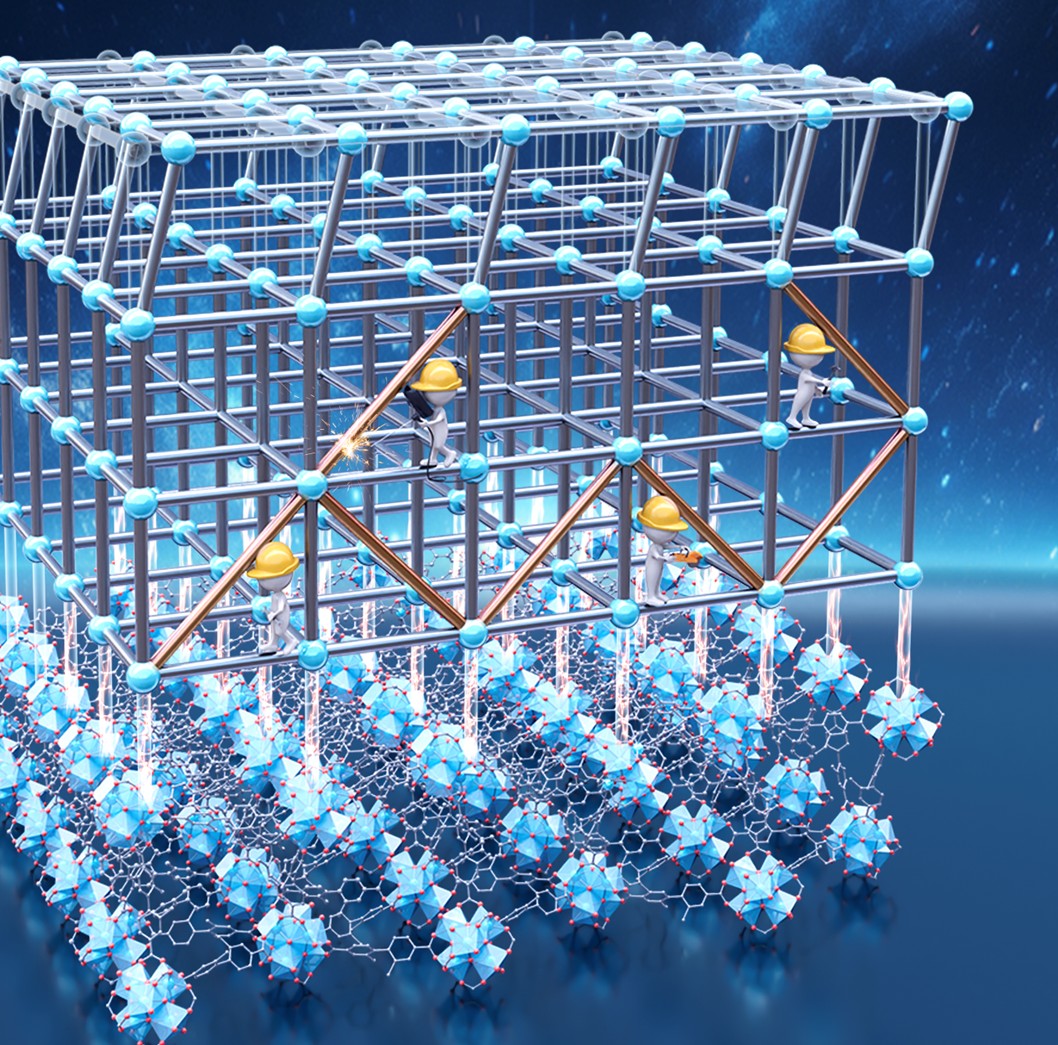
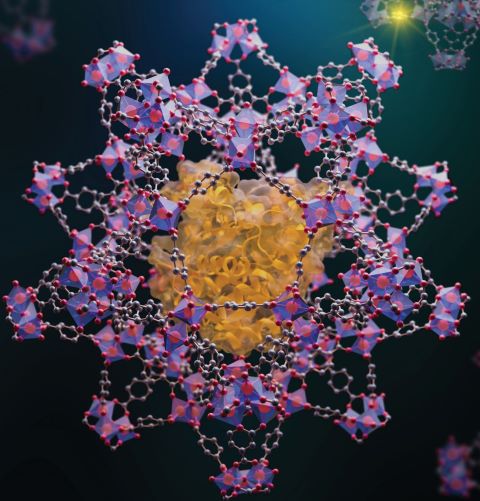
Enzyme-Inspired Catalyst Design in Framework Materials

  • Enzymes, as natural molecular machines, continue to inspire us through their structural precision and catalytic efficiency. Inspired by the chemical environments of enzymatic pockets, we aim to reproduce the complex interactions within natural enzymes using the nanopores of metal-organic frameworks (MOFs). By engineering these catalytic sites confined in nanopores, we will develop next-generation catalysts for late-stage drug functionalization and polymer upcycling.
Read More online


research2

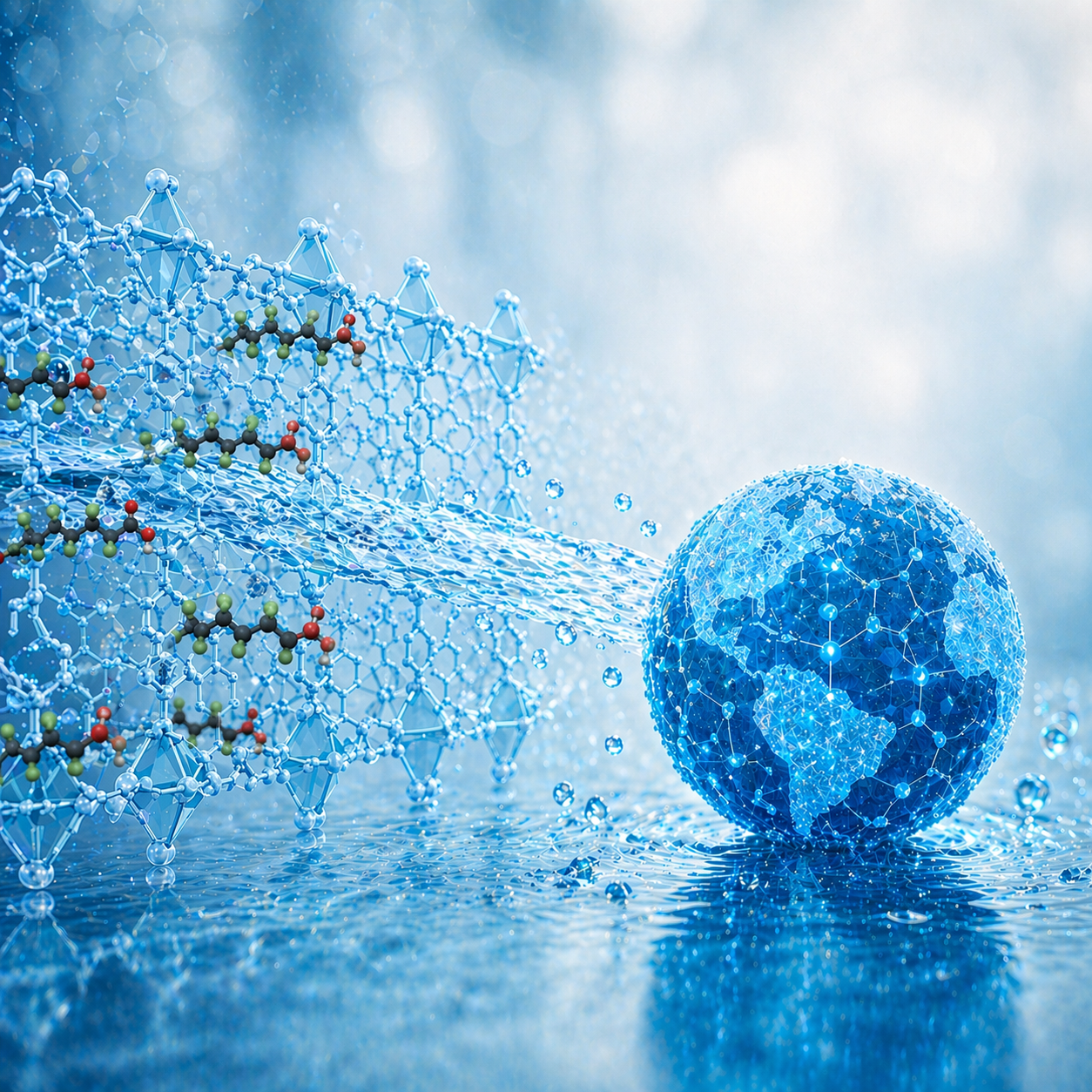
Nanoporous Solid Sorbents for Water Purification

  • Clean and reliable drinking water is fundamental to public health, yet emerging contaminants such as per- and polyfluoroalkyl substances (PFAS) pose an escalating challenge. Our group develops low-cost nanoporous solid sorbents for highly efficient PFAS removal, with a focus on controlling interactions between PFAS molecules and nanopore environments. By introducing multiple binding sites into MOFs, we leverage cooperative effects to capture PFAS even at trace concentrations, while the adsorption mechanisms are uncovered by advanced characterization tools, including solid-state NMR.
Read More online


research2

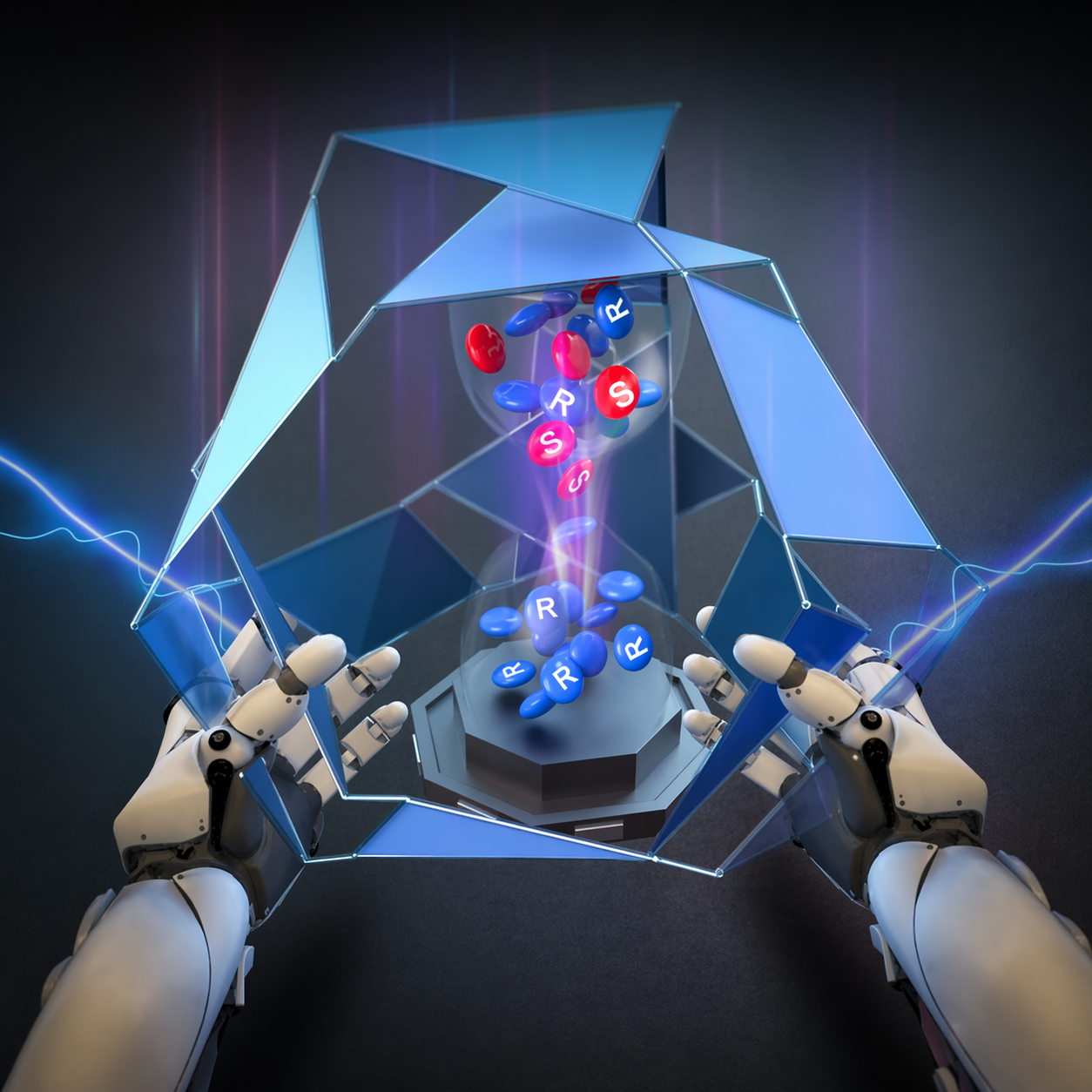
Hierarchically Porous Materials for Efficient Separation

  • Separation processes consume nearly half of industrial energy worldwide. A central challenge in nanoporous separation materials is the longstanding trade-off between selectivity and energy efficiency. Nanopores can provide strong host-guest interactions, but their limited sizes often impede mass transport. To overcome this limitation, we precisely introduce larger pores into microporous materials with pore sizes below 2 nm. The resultant hierarchical pore improves transport kinetics while providing additional binding sites, thereby expanding the practical potential of nanoporous materials for highly valuable chiral drug purification and critical mineral extraction.
Read More online


research3

For more research of ours, go to the

Research page


Group News

The website of the S.H.I.N.E. lab is officially launched!

April 21, 2026

Dr. Wang will join the Department of Chemistry at the University of Miami in January 2027. The group is actively recruiting post-doctoral scholars, PhD students, undergraduate researchers, and visiting scholars. If you are interested, please send your CV and a brief self-introduction to kunyuwang95@gmail.com.
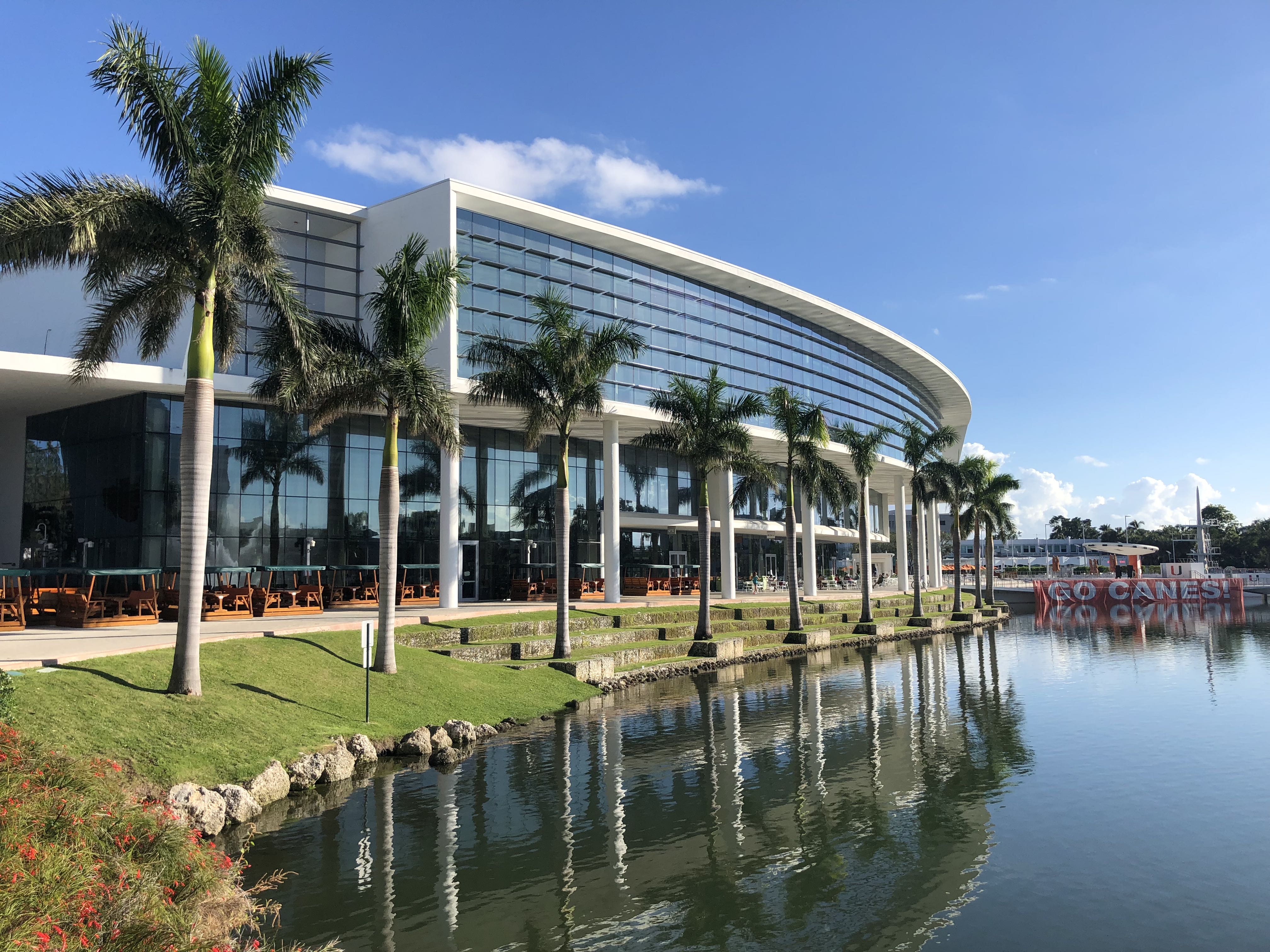

SHINE Lab website launch

Funding & Support

We gratefully acknowledge support from funding agencies, foundations, and institutional programs.

Research Corporation for Science Advancement
Foresight Institute
University of Miami